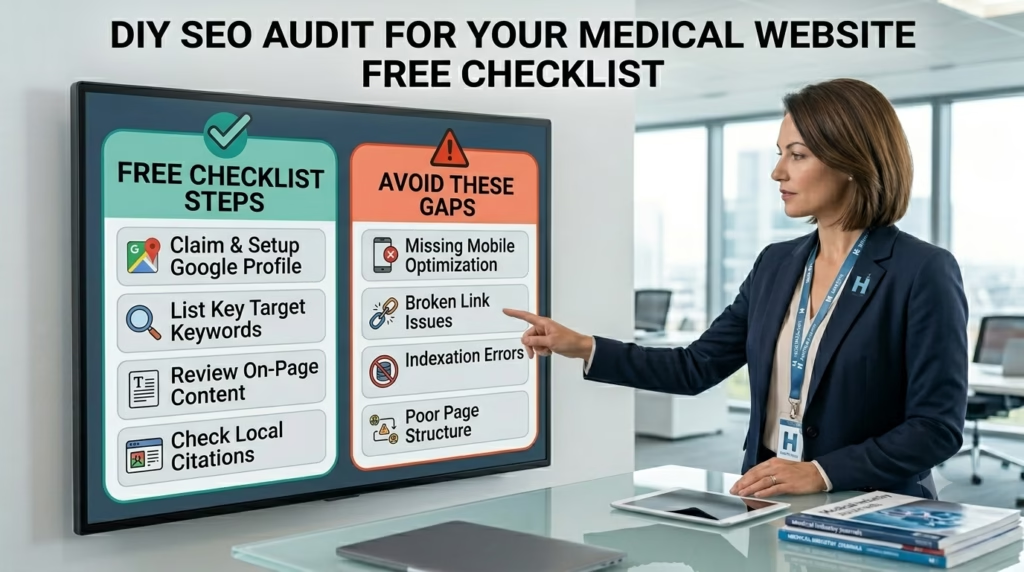
Running a medical practice website is no longer just about having an online presence. Patients often search online before booking an appointment, making search engine visibility essential for attracting new patients. A DIY SEO audit helps identify issues that may be preventing your website from ranking well in search results.
If you own a healthcare website, this guide will walk you through a simple DIY SEO audit process using free tools and practical techniques.
What Is a DIY SEO Audit?
A DIY SEO audit is the process of reviewing your website to identify technical, content, and user experience issues that affect search engine rankings. By conducting regular audits, medical practices can improve visibility, increase website traffic, and attract more qualified patients.
The best part is that many SEO checks can be completed without hiring an expensive consultant.
Why SEO Matters for Medical Practices
Patients frequently use search engines to find healthcare providers, clinics, and specialists. If your website does not appear on the first page of search results, potential patients may choose a competitor instead.
A proper SEO audit can help you:
- Improve search rankings
- Increase patient inquiries
- Enhance website usability
- Build trust and credibility
- Identify technical website issues
DIY SEO Audit Checklist for Medical Practice Websites
1. Check Website Loading Speed
Website speed is a major ranking factor and directly affects user experience.
Free Tools:
- Google PageSpeed Insights
- GTmetrix
What to Look For:
- Slow-loading pages
- Large image files
- Excessive plugins
- Unnecessary scripts
Quick Fixes:
- Compress images
- Enable browser caching
- Use modern image formats
- Remove unused plugins
A fast website keeps visitors engaged and reduces bounce rates.
2. Ensure Mobile-Friendliness
Most people rely on their smartphones when looking for medical services and healthcare professionals.
Check:
- Responsive design
- Readable text size
- Easy navigation
- Clickable buttons
Free Tool:
Google Mobile-Friendly Test
A poor mobile experience can negatively impact rankings and patient conversions.
3. Review Title Tags and Meta Descriptions
Every page should have a unique title tag and meta description.
Example:
Title Tag:
Family Doctor in Dallas | ABC Medical Clinic
Meta Description:
Schedule appointments with experienced family physicians. Same-day visits available.
Audit Questions:
- Is every page optimized?
- Are keywords included naturally?
- Is the title under 60 characters?
- Is the description under 160 characters?
Well-written metadata improves click-through rates from search results.
4. Audit Your Content
Content is one of the most important elements of SEO.
Review:
- Service pages
- Blog articles
- Physician profiles
- FAQ pages
Ask Yourself:
- Is the content accurate?
- Does it answer patient questions?
- Is it updated regularly?
- Are keywords used naturally?
Avoid keyword stuffing. Focus on creating helpful information that patients actually need.
5. Check Local SEO Optimization
Medical practices rely heavily on local search traffic.
Verify:
- Practice name
- Address
- Phone number (NAP)
Ensure the same information appears consistently across:
- Website
- Business directories
- Social media profiles
- Google Business Profile
Consistency helps search engines trust your business information.
6. Examine Internal Links
Internal links help visitors navigate your website and assist search engines in understanding site structure.
Examples:
- Blog posts linking to service pages
- Service pages linking to appointment forms
- FAQ pages linking to treatment information
Benefits:
- Better user experience
- Improved crawling
- Increased page authority distribution
Broken or missing internal links should be fixed immediately.
7. Find Broken Links and Errors
Broken links create a poor user experience and can affect rankings.
Free Tools:
- Screaming Frog (free version)
- Broken Link Checker
Look for:
- 404 errors
- Missing pages
- Redirect issues
Repairing these errors helps maintain website credibility.
8. Review Image SEO
Medical websites often contain physician photos, clinic images, and treatment graphics.
Checklist:
- Use descriptive file names
- Add alt text
- Compress image sizes
- Use relevant images
Example:
Instead of:
image123.jpg
Use:
pediatric-clinic-waiting-room.jpg
Image optimization improves accessibility and search visibility.
9. Check Security and HTTPS
Patients expect healthcare websites to be secure.
Verify:
- SSL certificate installed
- HTTPS enabled
- No security warnings
A secure website builds trust and protects user data.
10. Analyze Google Business Profile
A well-optimized Google Business Profile can significantly improve your local search visibility.
Review:
- Business category
- Hours of operation
- Photos
- Reviews
- Contact information
Encourage satisfied patients to leave reviews, as positive feedback can improve local visibility.
Free DIY SEO Audit Checklist
Use this quick checklist:
| Task | Completed |
| Website speed checked | ☐ |
| Mobile-friendly design verified | ☐ |
| Title tags optimized | ☐ |
| Meta descriptions updated | ☐ |
| Content reviewed | ☐ |
| Local SEO information verified | ☐ |
| Internal links checked | ☐ |
| Broken links fixed | ☐ |
| Images optimized | ☐ |
| HTTPS enabled | ☐ |
| Google Business Profile updated | ☐ |
Pros and Cons of a DIY SEO Audit
| Pros | Cons |
| Saves money on consulting fees | Can be time-consuming |
| Helps identify basic SEO issues | Advanced problems may be missed |
| Improves website performance | Requires ongoing monitoring |
| Increases local search visibility | Learning curve for beginners |
| Enhances user experience | Some tools have limited free features |
Common SEO Mistakes Medical Practices Make
Many healthcare websites struggle because of avoidable SEO errors, including:
- Duplicate content
- Missing title tags
- Slow page speed
- Outdated information
- Poor mobile design
- Inconsistent contact details
- Missing local SEO optimization
Addressing these issues can lead to noticeable improvements in search performance.
Conclusion
Performing a DIY SEO audit is one of the most effective ways to improve your medical practice website without a large marketing budget. By checking website speed, mobile usability, content quality, local SEO, security, and technical issues, you can uncover opportunities to attract more patients through organic search.
Regular audits help maintain strong website performance, improve user experience, and support long-term growth. Use the checklist provided above every few months to ensure your medical practice website remains optimized and competitive in local search results.