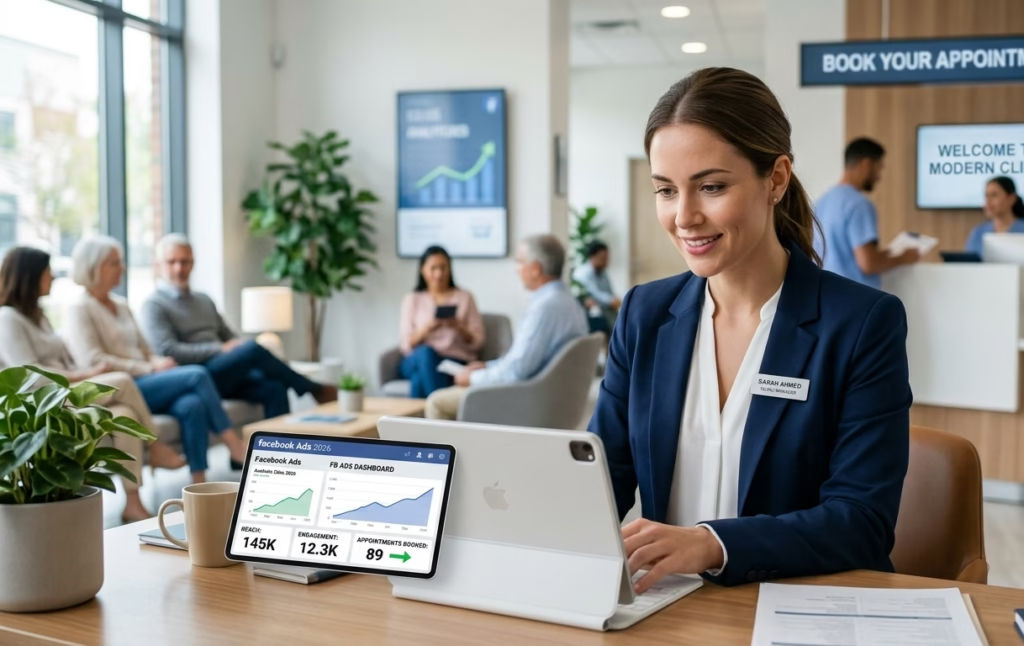
Healthcare marketing has changed significantly over the last few years. Patients no longer rely solely on referrals or traditional advertising when choosing a healthcare provider. Instead, many turn to social media platforms to find clinics, doctors, and healthcare services in their area. This shift has made Facebook Ads for Clinics one of the most effective digital marketing tools available in 2026.
But do Facebook ads really work for clinics? The short answer is yes—when they are planned and managed correctly. Facebook continues to offer advanced targeting options, allowing clinics to reach potential patients based on location, age, interests, and behaviors. This precision helps healthcare providers connect with the right audience while maximizing their marketing budget.
Why Facebook Ads Matter for Clinics
Facebook continues to be one of the most widely used social media platforms, connecting businesses with millions of potential customers every day. Many people spend hours each week browsing Facebook and Instagram, creating valuable opportunities for clinics to increase their visibility.
Unlike traditional advertising methods such as newspapers, billboards, or radio ads, Facebook advertising allows clinics to reach specific audiences. This means a pediatric clinic can target parents, while a dental clinic can focus on adults looking for oral care services.
The ability to reach highly relevant audiences makes Facebook Ads for Clinics a cost-effective solution for patient acquisition.
Benefits of Facebook Ads for Clinics
1. Targeted Audience Reach
One of Facebook’s greatest strengths is its targeting capabilities. Clinics can target users based on:
- Geographic location
- Age groups
- Interests
- Online behaviors
- Health and wellness preferences
This targeted approach reduces wasted advertising spend and increases the likelihood of attracting qualified leads.
2. Increased Brand Awareness
Many patients prefer healthcare providers they recognize and trust. Facebook ads help clinics stay visible in front of potential patients, building familiarity over time.
Even if users do not schedule an appointment immediately, repeated exposure can influence future healthcare decisions.
3. Appointment Generation
The primary goal of most clinic marketing campaigns is to generate appointments. Facebook ads can direct users to:
- Appointment booking pages
- Contact forms
- Phone call buttons
- Messenger inquiries
This direct response capability makes Facebook a powerful platform for converting interest into patient visits.
4. Cost-Effective Marketing
Compared to traditional advertising channels, Facebook often provides a lower cost per lead. Clinics can start with modest budgets and gradually scale campaigns based on performance.
This flexibility makes Facebook advertising suitable for both small private practices and larger healthcare organizations.
Types of Facebook Ads That Work for Clinics
Lead Generation Ads
Lead generation campaigns allow users to submit their information directly within Facebook. This reduces friction and can increase inquiry rates.
Examples include:
- Free consultation offers
- Health screening promotions
- Appointment requests
Video Ads
Video content often generates higher engagement than static images. Clinics can use short videos to:
- Introduce doctors
- Showcase facilities
- Explain treatments
- Share patient success stories
Video ads help build trust and credibility among potential patients.
Local Awareness Ads
For clinics serving a specific geographic area, local awareness campaigns are highly effective. These ads target users located near the clinic and encourage visits or inquiries.
Retargeting Campaigns
Not every visitor books an appointment on their first interaction. Retargeting ads help clinics reconnect with users who previously visited their website or engaged with their content.
This strategy often improves conversion rates while reducing acquisition costs.
Challenges Clinics Should Consider
While Facebook advertising offers significant advantages, success is not guaranteed.
Competition Is Increasing
More healthcare providers are investing in social media advertising. This increased competition can drive up advertising costs in some markets.
Compliance Requirements
Healthcare marketing must follow privacy and advertising regulations. Clinics should ensure all campaigns comply with local healthcare advertising guidelines.
Ad Fatigue
Users may stop responding to repetitive advertisements. Regularly updating ad creatives and messaging is important for maintaining campaign effectiveness.
Best Practices for Facebook Ads for Clinics in 2026
Focus on Patient Needs
Patients care about solutions, not technical medical details. Ad copy should highlight benefits such as:
- Faster appointments
- Experienced healthcare professionals
- Convenient locations
- Specialized treatments
Use Strong Visuals
High-quality images and videos help capture attention. Professional visuals also improve trust and brand perception.
Optimize for Mobile Users
Many people use Facebook on their smartphones, so clinics should ensure their ads and landing pages work smoothly on mobile devices. Landing pages should load quickly and provide a seamless mobile experience.
Track Performance Metrics
Successful clinics continuously monitor campaign performance. Key metrics include:
- Cost per lead
- Click-through rate
- Appointment bookings
- Return on ad spend
Data-driven optimization helps improve results over time.
Pros and Cons of Facebook Ads for Clinics
| Pros | Cons |
| Highly targeted audience reach | Growing competition |
| Cost-effective advertising | Requires ongoing management |
| Increases brand awareness | Ad fatigue can reduce performance |
| Generates patient inquiries | Compliance considerations |
| Flexible budgets | Results vary by strategy |
| Strong local targeting options | Learning curve for beginners |
Are Facebook Ads Worth It for Clinics in 2026?
For most healthcare providers, the answer is yes. Patients increasingly use social media platforms when researching healthcare options. Facebook offers clinics the ability to reach these users at various stages of the decision-making process.
When combined with compelling content, professional visuals, and clear calls to action, Facebook ads can consistently generate awareness, inquiries, and appointments.
However, success depends on strategic targeting, ongoing optimization, and a patient-focused approach. Clinics that treat Facebook advertising as a long-term marketing investment often achieve the strongest results.
Conclusion
Facebook Ads for Clinics continue to be a valuable marketing channel in 2026. They provide precise audience targeting, affordable advertising options, and effective patient acquisition opportunities. While challenges such as competition and compliance exist, clinics that implement well-structured campaigns can achieve measurable growth.
For healthcare providers seeking to expand their patient base, strengthen brand visibility, and increase appointment bookings, Facebook advertising remains one of the most practical and results-driven digital marketing solutions available today.